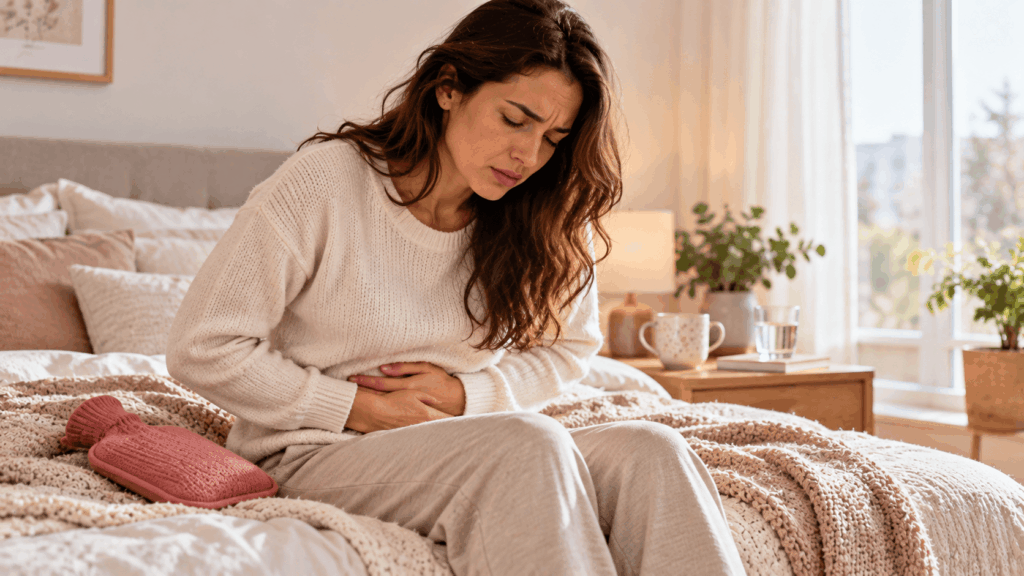
Period pain is one of the most common reasons women miss work or school, yet it is often brushed off as something you just have to put up with. The medical name is dysmenorrhoea, and it usually feels like a cramping ache in the lower abdomen that starts around the time your period begins. For some women the pain is mild; for others it can be severe enough to interfere with daily life. The good news is that there is plenty you can do to ease it, from simple home measures to pharmacy options and, when needed, treatments your GP can prescribe.
Key takeaways
- Heat pads and gentle exercise are two of the most effective home remedies, backed by NHS advice and clinical evidence.
- Paracetamol or ibuprofen taken early in the cycle can significantly reduce cramping; ibuprofen also targets the prostaglandins that cause the pain.
- Your pharmacist can suggest over-the-counter options including naproxen (available without prescription in lower doses) and combined pain relief tablets.
- See your GP if period pain stops you from doing normal activities, painkillers do not help, or you notice any change in your usual pattern.
Why periods hurt: what causes the cramping
Period pain happens because the muscular wall of the womb contracts to shed its lining each month. During these contractions, the blood vessels that supply the womb are temporarily compressed, cutting off the oxygen supply to the tissue. This triggers the release of chemicals called prostaglandins, which cause pain and inflammation. The NHS explains that some women produce higher levels of prostaglandins, which is why period pain is worse for some than for others.
This type of cramping, known as primary dysmenorrhoea, is not caused by any underlying condition. It is most common in younger women and often improves with age or after having children. Secondary dysmenorrhoea is period pain caused by an underlying condition such as endometriosis, fibroids or pelvic inflammatory disease, and it tends to start later in life or get worse over time. If your pain has changed or become more severe, your GP can investigate.
What you can do at home
Several home remedies can make a real difference, and most are free. Heat is one of the best-studied options. Placing a hot water bottle or a heat pad on your lower abdomen helps relax the uterine muscle and improve blood flow, which reduces cramping. A study published in Evidence-Based Nursing found that continuous low-level topical heat was as effective as ibuprofen for relieving period pain. A warm bath works in a similar way.
Gentle exercise can also help, even though it may be the last thing you feel like doing. The NHS recommends light activity such as walking, swimming or cycling, which encourages the body to produce endorphins, its natural painkillers. You do not need to push yourself hard; even a 20-minute walk can ease symptoms.
A heat pad on your lower tummy, a warm bath, or gentle stretching can take the edge off cramps within minutes. If you use a hot water bottle, wrap it in a towel to avoid burning your skin.
Massage and relaxation may also help. Gently massaging your lower abdomen in circular movements can relieve tension in the muscles. Some women find that yoga, deep breathing or mindfulness exercises help them cope, particularly when pain causes anxiety or disrupts sleep.
There are a few things worth avoiding too. The NHS advises cutting back on alcohol and smoking, both of which can make period pain worse. Alcohol increases inflammation, while smoking reduces oxygen supply to the pelvic area.
What your pharmacist can suggest
Ibuprofen is usually the first choice for period pain because it is an anti-inflammatory painkiller (NSAID) that directly targets prostaglandin production. The Mayo Clinic notes that taking ibuprofen at the first sign of cramping, rather than waiting for the pain to build, gives the best results. Paracetamol is an alternative if you cannot take NSAIDs, though it does not have the same anti-inflammatory action.
Your pharmacist can also suggest naproxen in lower over-the-counter doses. Naproxen is another NSAID that lasts longer than ibuprofen, so you may need fewer doses throughout the day. Combined products such as paracetamol with caffeine or with a mild antispasmodic are available too, and your pharmacist can help you choose the right one based on your symptoms and any other medicines you take.
If you are unsure which painkiller suits you, or if you have asthma or a history of stomach problems, ask your pharmacist before choosing an NSAID. They can check for interactions and suggest the safest option.

Do natural or traditional remedies help?
A number of natural approaches are used for period pain, though the evidence behind most of them is limited.
TENS machines (transcutaneous electrical nerve stimulation) deliver small electrical impulses through pads placed on the skin. The NHS lists TENS as a treatment option that some women find helpful. A Cochrane review found some evidence that high-frequency TENS may reduce pain, though the quality of the studies was low. TENS machines are available from pharmacies and online.
Dietary changes may play a role. Some research suggests that diets higher in omega-3 fatty acids (from oily fish, flaxseed or walnuts) and lower in saturated fat may reduce prostaglandin levels and ease cramping. A review in the journal Pain Medicine found that omega-3 supplementation showed a modest benefit for menstrual pain, though more research is needed. Ensuring you get enough magnesium through foods like leafy greens, nuts and whole grains is another commonly suggested approach, though clinical evidence remains mixed.
Acupuncture and acupressure are used by some women for period pain. A Cochrane review concluded that the evidence was insufficient to determine whether acupuncture is effective for dysmenorrhoea, but some women report finding it helpful. If you choose to try it, look for a practitioner registered with the British Acupuncture Council.
There is no strong clinical evidence that herbal teas or essential oils treat period pain, though chamomile tea and ginger tea are popular traditional choices. They are unlikely to cause harm and may help you relax, which in itself can ease discomfort.
What your GP can prescribe for severe period pain
If over-the-counter painkillers and home remedies are not enough, your GP has several options. Prescription-strength NSAIDs such as mefenamic acid or higher-dose naproxen are commonly used. Mefenamic acid is specifically licensed for period pain and may work better than standard ibuprofen for some women.
Hormonal contraception is another effective treatment. The combined pill, the hormonal coil (IUS) and the contraceptive injection can all reduce period pain by thinning the womb lining or stopping ovulation. The NHS notes that the hormonal coil is particularly effective and can significantly reduce both pain and bleeding.
If your GP suspects that an underlying condition such as endometriosis or fibroids is causing your pain, they may refer you for further investigation, which could include an ultrasound or a referral to a gynaecologist.
Your period pain stops you from doing normal activities and painkillers are not helping, your periods have become more painful or heavier than usual, you have pain during sex or when using the toilet, you are bleeding between periods or after sex, you notice unusual vaginal discharge or a swollen lower tummy, or you have severe pelvic pain that comes on suddenly. If painkillers are not controlling severe pain, contact NHS 111. Source: NHS.
Frequently asked questions
How long does period pain usually last?
Most women experience the worst cramping during the first one to two days of their period, though some have pain for up to three days. If your pain lasts longer than this or continues between periods, it is worth speaking to your GP.
Is ibuprofen or paracetamol better for period pain?
Ibuprofen is generally more effective because it is an anti-inflammatory that reduces prostaglandin production, the direct cause of menstrual cramps. Paracetamol can help with mild pain but does not have the same anti-inflammatory action. If you cannot take ibuprofen (for example, if you have asthma or stomach problems), paracetamol is a safe alternative. Your pharmacist can advise.
Can exercise really help with period cramps?
Yes. Gentle exercise such as walking, swimming or yoga encourages the release of endorphins, the body’s natural painkillers, and improves blood flow to the pelvic area. You do not need to do anything intense; even a short walk can make a noticeable difference.
When should I worry about period pain?
Occasional period pain is normal, but you should see your GP if the pain is severe enough to stop you from daily activities, gets worse over time, does not respond to painkillers, or is accompanied by heavy bleeding, pain during sex, or bleeding between periods. These could be signs of an underlying condition such as endometriosis or fibroids.
Does the pill help with period pain?
The combined contraceptive pill can reduce period pain by thinning the womb lining and, in some cases, preventing ovulation. The hormonal coil (IUS) is another option your GP may suggest. Both are widely used as treatments for painful periods as well as for contraception.

Independent guides to natural remedies and supplements, checked against NHS and EFSA references.